Luce Riverwoods Project
30th Sep 2026
by Jamie Ribbens
The River Luce starts in the hills of southern Ayrshire and makes it way down through New Luce and Glenluce before joining the Solway Firth. Throughout its length it acts as a home to a large variety of aquatic species such as salmon and trout, as well as many invertebrate species.
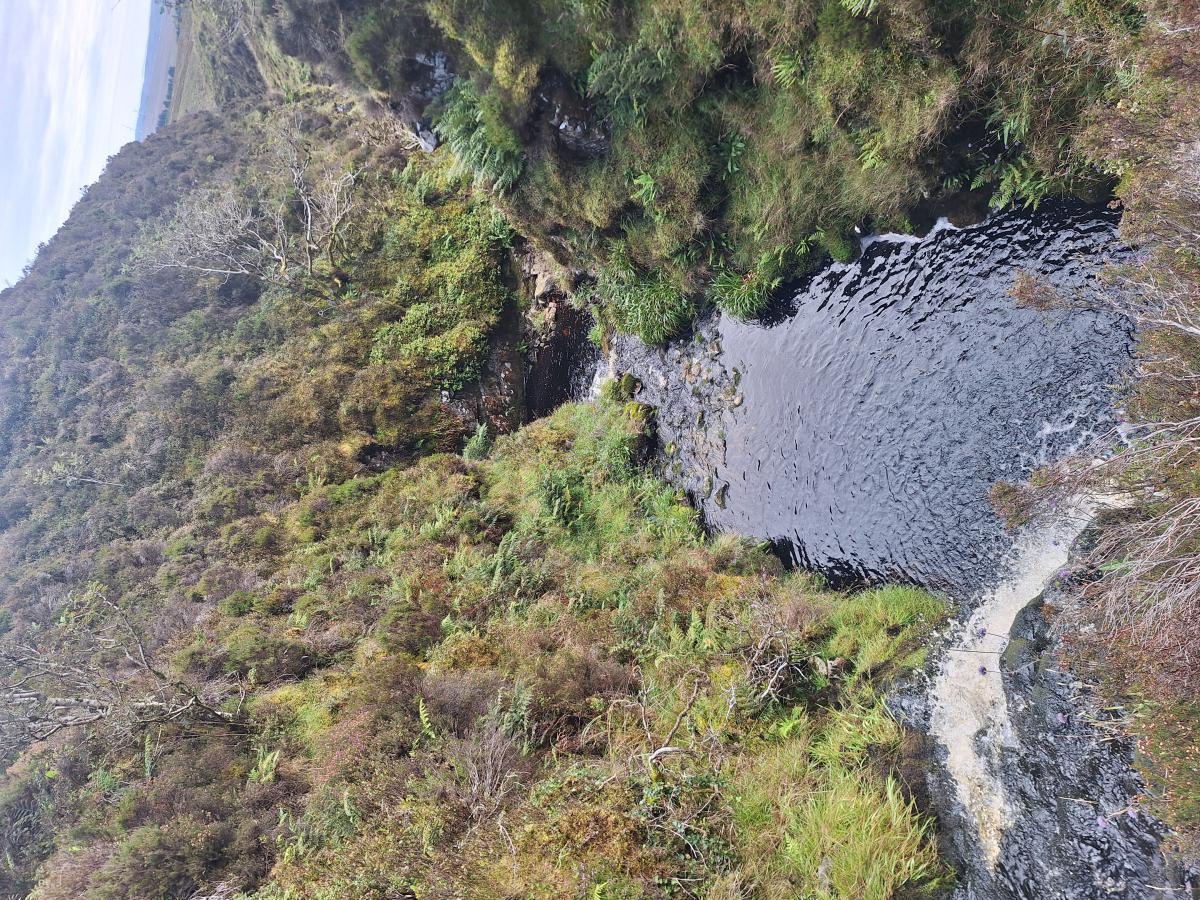
The river and its surrounding land are used by people for a multitude of ways, like farming and forestry, making this both an enchanting and essential river. Unfortunately, as climate change is here to stay, the water temperatures will get hotter each year. From our monitoring work, we know that the river Luce is reaching summer temperatures that are harmful for local fish populations, which sadly falls in line with many other Scottish rivers. This is where the Riverwoods programme comes in to hopefully alleviate some of this pressure.
The Luce Riverwoods project is looking to restore and enhance the riparian woodland corridors along the river to help cool waters and provide important habitats to enhance biodiversity. The planting of native deciduous trees will provide shade on the water which will help cool the water. You can find out more about the benefits of riparian woodlands in the ‘Helping Waters Cope With Climate Change’ page on our website. This project is being run by our ecologist, Heather.
Galloway Rivers Trust are working with landowners along the Luce to identify suitable areas to plant these riparian corridors and recommend measures to improve pre-existing woodlands. These areas are being identified through walkover surveys along the riparian zones of water corridors. We are currently working with Lagafater Estate, Forest and Land Scotland, various farm tenants, Stair Estates and local community groups to identify areas which they agree could be suitable to establish new riparian woodlands along the River Luce and its tributaries. These new woodlands will provide a wonderful opportunity to increase the biodiversity of these areas, through the establishment of a wide variety of tree species that can support many different fauna and flora. We hope this leads to creating a lovely mosaic of habitats able to support a diverse range of species.
This project has also enabled Galloway Rivers Trust to support a six-month Riverwoods internship to assist with this project. Our Riverwoods intern, Adam’s, main task will be to undertake these surveys to find suitable areas for riparian woodlands; assess the condition of existing riparian woodlands; and map these areas on ArcGIS. This position is funded through the Riverwoods grant, GRT and the Glenkens Community and Arts Trust.
It is essential that the local communities are involved in this project including New Luce and Glenluce. When considering possible locations for future riparian woodland, we want to engage and hear the thoughts of the communities living around these sites to collectively ensure the proposals consider everyone’s needs and explore opportunities to improve the plans as they develop. We plan to have various community events
involving groups such as the New Luce Community Trust and Old Luce Community Trust, where everyone can find out more about the Riverwoods scheme, input thoughts and comments, and participate in education and activities days to get involved and help restore the woodlands along the Luce. If you are interested in these the events, make sure to check our website, and follow us on our social media accounts on Facebook, Instagram and LinkedIn, or contact us directly on 01671403011 / heather@gallowayriverstrust.org
This Riverwoods project is funded by the National Lottery Heritage Fund, thanks to national lottery players. Also, thank you to the Glenkens Community and Arts Trust for supporting our Riverwoods intern position.
Latest News
Removing Broom Caul
Galloway River Trust has secured funding from the European Open Rivers Programme for work to remove the Broom Caul. As part of our work to restore the river habitats of the River Annan catchment, the removal of this caul, or weir, has been identified as a priority action.
GFT 6 month internship available
A paid internship is available from July to December 2026 (26 weeks) to work with Galloway Fisheries Trust supporting various work programmes.
Sparling work update
Sparling, also known as European smelt, is one of the rarest fish in Scotland and they are only known to be present in three Scottish rivers. The River Cree supports a sparling population.